Mold Remediation Winnipeg – Professional Mold Removal & Restoration Services
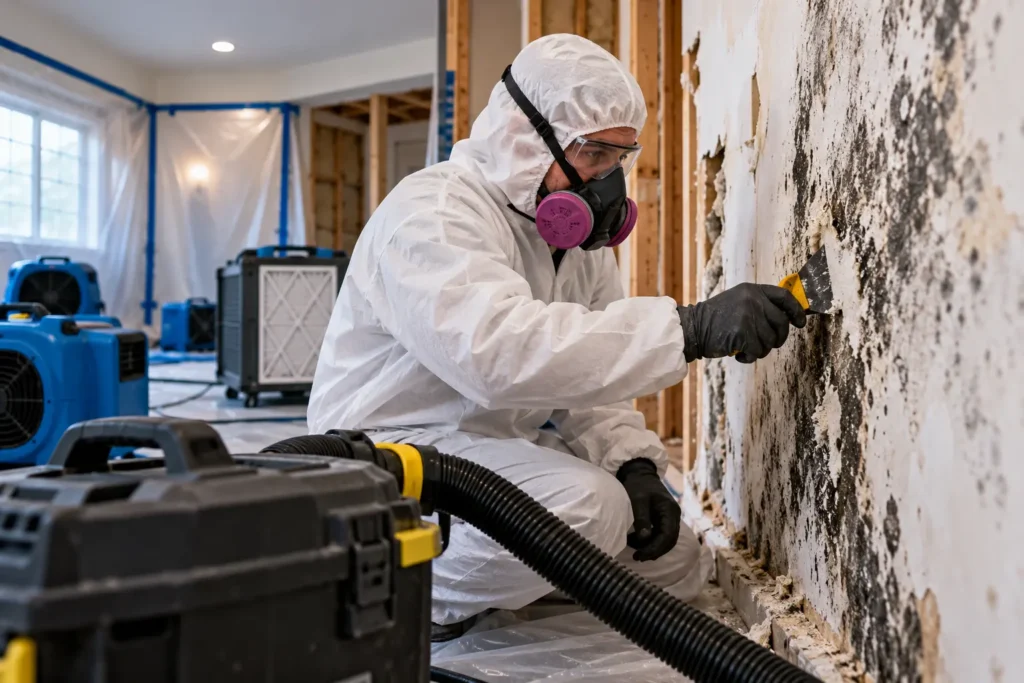
Mold growth can turn a small moisture problem into a serious concern for your home or commercial property. Whether you’ve discovered black staining on basement walls, a persistent musty smell in your attic, or visible mold after a water leak, addressing the source of the problem is essential to protecting your property and indoor environment.
Assured Builders provides mold remediation services in Winnipeg, helping homeowners, landlords, property managers, and businesses address mold contamination, moisture damage, and affected building materials.
Winnipeg’s changing seasons, freezing winters, humid summers, and occasional basement flooding create conditions where moisture can accumulate inside buildings. When water becomes trapped behind drywall, beneath flooring, or within poorly ventilated spaces, mold can begin developing on susceptible materials.
Our approach focuses on identifying affected areas, determining the extent of moisture damage, removing contaminated materials where necessary, and restoring damaged building components.
Need mold removal services in Winnipeg? Call Assured Builders at 431-293-0168 to discuss your property and request an assessment.
Professional Mold Removal Services in Winnipeg
Mold remediation involves more than cleaning visible discoloration from walls or ceilings. Effective remediation requires understanding where moisture is entering the building, which materials have been affected, and whether contamination extends into concealed spaces.
Mold can develop on drywall, wood, insulation, carpeting, ceiling tiles, and other materials when sufficient moisture is present.
Assured Builders offers property restoration solutions for situations involving visible mold, moisture-damaged building materials, and deterioration caused by prolonged water exposure.
Residential Mold Removal
Residential mold problems can develop in nearly any part of a house, particularly where humidity, condensation, plumbing leaks, or inadequate ventilation are present.
Common areas include:
Basements and foundation walls
Bathrooms and shower enclosures
Attics and roof cavities
Crawl spaces
Kitchens and laundry rooms
Areas surrounding windows
Behind drywall and baseboards
Beneath flooring and carpeting
A professional mold removal assessment helps determine whether surface cleaning, material removal, moisture correction, or more extensive restoration work is appropriate.
Commercial Mold Remediation
Commercial buildings can experience mold contamination from roof leaks, plumbing failures, HVAC condensation, flooding, and prolonged moisture exposure.
Mold damage in offices, retail spaces, rental properties, and commercial facilities may affect building materials and interrupt normal operations.
Assured Builders works with commercial property owners and managers to evaluate restoration requirements and plan repairs based on the condition of the affected property.
Our Mold Remediation Process
Every mold problem is different. A small patch of visible growth on a bathroom surface requires a different response from widespread contamination behind basement drywall.
A structured remediation process helps identify the underlying problem and determine the appropriate scope of work.
1. Mold Inspection and Moisture Assessment
The first step is examining the areas where mold or moisture damage has been reported.
An assessment may include reviewing:
Visible mold growth and staining
Water-damaged drywall or insulation
Plumbing leaks and previous flooding
Condensation around windows and exterior walls
Attic ventilation and roof leakage
Basement seepage and foundation moisture
Musty odours and signs of concealed dampness
Not every situation requires laboratory mold testing. Where testing is necessary to answer a specific question about contamination, an appropriate qualified assessor or laboratory may be recommended.
2. Identifying the Moisture Source
Mold cannot be controlled over the long term without addressing the conditions that allow it to grow.
Possible moisture sources include leaking pipes, damaged roofing, foundation seepage, poor drainage, condensation, and inadequate ventilation.
For Winnipeg properties, particular attention may be needed around basement foundations, cold exterior walls, and areas affected by seasonal snowmelt.
3. Containment and Protection
Depending on the extent of contamination, remediation may require separating the work area from occupied portions of the building.
Appropriate containment and dust-control methods help reduce the movement of contaminated debris into unaffected spaces during removal activities.
The exact controls depend on the materials involved, the size of the affected area, and the findings of the assessment.
4. Mold Removal and Cleaning
Professional mold cleanup may involve removing contaminated porous materials and cleaning salvageable surfaces using methods appropriate to the material and level of contamination.
Heavily affected drywall, insulation, carpeting, and other porous materials may require replacement rather than surface treatment.
Simply painting over mold or applying a household cleaner does not resolve contamination inside damaged materials.
5. Drying and Moisture Correction
Before reconstruction begins, affected areas should be adequately dried and the original moisture problem corrected.
Depending on the situation, this may involve structural drying, ventilation improvements, plumbing repairs, or addressing water intrusion.
6. Restoration and Repairs
Once remediation requirements have been addressed, damaged building materials can be repaired or replaced.
Restoration may include drywall replacement, insulation installation, flooring repairs, trim replacement, painting, and other reconstruction work.
Assured Builders can help property owners plan the repair and restoration portion of a mold-damaged property.
Basement Mold Removal Winnipeg
Basements are among the most common locations for mold problems in Winnipeg homes.
Below-grade construction, foundation moisture, plumbing leaks, and limited airflow can contribute to damp conditions. Finished basements may also conceal moisture behind drywall, beneath flooring, or inside insulated wall assemblies.
Signs of basement mold include persistent musty odours, staining near baseboards, deteriorating drywall, and visible growth around damp building materials.
Common Causes of Basement Mold
Basement mold can develop because of:
Foundation cracks and water seepage
Sump pump failures
Plumbing leaks
Flooding or sewer backups
Condensation on cold surfaces
Inadequate ventilation
Wet carpeting or insulation
Moisture trapped behind finished walls
Basement mold remediation may require removing affected finishes, correcting moisture problems, drying structural components, and rebuilding damaged areas.
For finished basements, it is particularly important to investigate concealed moisture rather than relying exclusively on visible surface conditions.
Black Mold Removal Winnipeg
Dark or black-coloured mold can appear on drywall, wood, grout, insulation, and other damp surfaces.
Although the term black mold is commonly associated with Stachybotrys chartarum, mold species cannot reliably be identified by appearance alone. Not every dark-coloured mold is Stachybotrys, and other mold types can also create indoor environmental concerns.
The appropriate response depends on the amount of growth, affected materials, moisture conditions, and potential exposure during cleanup.
When Is Professional Black Mold Remediation Necessary?
Professional assessment is particularly important when:
Mold covers a substantial area
Growth repeatedly returns after cleaning
Water damage extends behind walls
Insulation or other porous materials are contaminated
Mold is associated with sewage-contaminated water
Contamination may involve ventilation equipment
Occupants have health concerns or unusual sensitivities
Black mold treatment should focus on removing contamination and correcting moisture conditions, not merely changing the appearance of the affected surface.
If you suspect concealed or widespread contamination, contact Assured Builders at 431-293-0168 to discuss the next steps.
Attic Mold Removal and Remediation
Attic mold frequently develops when warm, moisture-laden indoor air enters a cold roof cavity and condenses on roof sheathing or framing.
In Winnipeg, prolonged freezing temperatures can make attic condensation a particular concern.
Potential causes include blocked soffit vents, inadequate attic ventilation, bathroom exhaust ducts terminating in the attic, air leakage from living spaces, and roof leaks.
Signs of Attic Mold
Common warning signs include dark staining on roof sheathing, musty odours, damp insulation, visible condensation, and frost accumulation during cold weather.
Attic mold remediation may involve evaluating ventilation, air leakage, insulation, roof integrity, and the condition of affected wood.
The appropriate cleaning or material replacement method depends on the severity of contamination and the condition of the structure.
Bathroom and Shower Mold Removal
Bathrooms experience frequent humidity from showers, baths, and everyday water use.
When moisture remains on surfaces or becomes trapped behind finishes, mold can develop around grout, caulking, drywall, and other susceptible materials.
Bathroom Mold Removal Services
Bathroom mold restoration may involve evaluating and addressing:
Mold-damaged drywall
Deteriorated shower surrounds
Moisture behind bathroom tiles
Damaged caulking and grout
Leaking plumbing fixtures
Inadequate exhaust ventilation
Water-damaged subflooring
Small amounts of surface mildew on intact, washable materials may sometimes be addressed through routine cleaning and moisture control.
However, recurring mold, softened drywall, loose tiles, or persistent dampness may indicate a concealed problem requiring further investigation.
Crawl Space Mold Remediation
Crawl spaces can develop mold when ground moisture, drainage problems, plumbing leaks, or condensation create persistent damp conditions.
Affected materials may include floor joists, subflooring, insulation, and other wood components.
A crawl space mold assessment should consider both visible contamination and the source of moisture.
Depending on the building, appropriate corrective work may involve drainage improvements, moisture control, insulation repairs, removal of contaminated materials, or restoration of deteriorated components.
Mold Remediation Cost in Winnipeg
One of the most common questions property owners ask is: How much does mold remediation cost in Winnipeg?
The cost depends on the size of the affected area, the type of materials involved, accessibility, moisture damage, containment requirements, and whether reconstruction is necessary.
The following figures are broad planning estimates in Canadian dollars, not fixed quotations or verified Assured Builders pricing.
| Mold Remediation Project | Approximate Cost (CAD) |
|---|---|
| Small, localized remediation | $500–$1,500 |
| Bathroom mold remediation | $750–$3,000 |
| Basement mold remediation | $1,500–$6,000+ |
| Attic mold remediation | $1,500–$5,000+ |
| Extensive contamination and restoration | $5,000–$15,000+ |
Actual costs can fall outside these ranges, particularly when structural repairs, extensive demolition, specialized containment, or major moisture correction is required.
What Affects Mold Removal Cost?
Size of the affected area: Larger contaminated areas generally require more labour, materials, and containment.
Location: Mold behind finished walls, inside ceiling cavities, or in difficult-to-access attics may require additional work.
Material condition: Some non-porous surfaces can be cleaned, while severely contaminated porous materials may need removal.
Moisture damage: Plumbing repairs, drying, drainage correction, and reconstruction can increase the overall project cost.
Testing and assessment: Independent environmental testing or post-remediation verification, when warranted, may be charged separately.
For a property-specific estimate, call Assured Builders at 431-293-0168.
Mold Inspection and Testing in Winnipeg
A mold inspection helps determine whether visible growth, moisture damage, or concealed contamination requires further investigation.
An inspection is particularly useful when a property has experienced flooding, recurring plumbing leaks, roof damage, or persistent musty odours.
Is Mold Testing Always Necessary?
No. Visible mold and known moisture damage can often be evaluated without identifying the exact mold species.
Testing may be useful in certain circumstances, such as investigating an unclear contamination source, documenting specific environmental conditions, or supporting an assessment where results will influence the remediation plan.
Sampling should have a defined purpose, and results should be interpreted by a qualified professional.
Mold Removal After Water Damage
Mold and water damage are closely connected.
After flooding or a plumbing failure, moisture can remain trapped in drywall, insulation, subflooring, and other building materials even after visible water has been removed.
Prompt water extraction and drying can reduce the likelihood of mold developing.
When materials remain damp for an extended period, additional inspection and remediation may become necessary.
Common Water Damage Situations
Mold-related restoration may be needed following basement flooding, burst pipes, roof leaks, sewer backups, appliance leaks, and prolonged water intrusion.
Where sewage or other contaminated water is involved, additional safety precautions and specialized cleanup procedures may be necessary.
Assured Builders provides building restoration solutions for properties affected by water-related deterioration, including repairs to damaged construction materials.
Mold Mitigation vs. Mold Remediation: What’s the Difference?
Although the terms are often used interchangeably, they describe related parts of the restoration process.
Mold mitigation focuses on reducing the conditions that allow mold to develop or spread. This can include moisture control, leak repairs, drying, and ventilation improvements.
Mold remediation focuses on addressing existing contamination through appropriate removal, cleaning, containment, and related corrective measures.
Mold restoration generally refers to repairing or replacing building components damaged by contamination, moisture, or the remediation process.
A comprehensive project may involve all three.
Why Mold Keeps Coming Back After Cleaning
Recurring mold is usually a sign that the conditions supporting its growth have not been adequately corrected.
For example, cleaning mold from a basement wall will not prevent future growth if water continues entering through the foundation.
Similarly, removing attic staining without addressing air leakage or ventilation problems may leave the original moisture conditions unchanged.
Other reasons mold returns include hidden damp materials, unresolved plumbing leaks, insufficient drying, and persistent condensation.
Effective long-term mold control depends on correcting moisture problems and addressing affected materials appropriately.
Can You Remove Mold Yourself?
Small amounts of mold on intact, washable household surfaces may sometimes be cleaned safely by occupants who can avoid exposure and address the moisture source.
However, larger areas, concealed contamination, sewage-related damage, and mold affecting porous building materials may require professional remediation.
People with asthma, allergies, immune suppression, or other health concerns should be particularly cautious about exposure and consult an appropriate health professional when necessary.
Avoid disturbing suspected mold-contaminated materials unnecessarily. Scraping, sanding, or demolishing affected surfaces without suitable precautions can spread contaminated dust.
Bleach, paint, or deodorizing products should not be treated as substitutes for proper moisture correction and material remediation.
Mold Remediation for Rental and Commercial Properties
Landlords, property managers, and commercial property owners may encounter mold problems after tenant-reported leaks, plumbing failures, roof damage, or prolonged building moisture.
Timely investigation helps determine the extent of the problem and what repairs are required.
Commercial and multi-unit remediation projects may involve coordinating access, protecting unaffected areas, documenting damaged materials, and planning reconstruction.
The scope of work should reflect the building’s use, affected materials, and applicable safety requirements.
Mold Remediation in Winnipeg’s Climate
Winnipeg’s climate presents several conditions that can contribute to indoor moisture problems.
During winter, warm indoor air can condense on cold surfaces and inside poorly sealed building assemblies.
During spring, melting snow and changing ground conditions may contribute to basement seepage.
Summer humidity, heavy rainfall, and plumbing or drainage problems can also create favourable conditions for mold growth.
Property owners should pay particular attention to:
Basement moisture after spring snowmelt
Attic condensation during freezing weather
Plumbing leaks behind finished walls
Bathroom exhaust ventilation
Foundation drainage and grading
Condensation around windows
Damp insulation and flooring
Addressing these conditions early can help reduce the need for extensive repairs.
Why Choose Assured Builders for Mold Remediation in Winnipeg?
Mold-related property damage often involves more than one construction trade. Affected areas may require material removal, moisture correction, drywall repairs, insulation replacement, flooring work, and interior reconstruction.
Assured Builders approaches mold-related restoration with attention to both the affected building materials and the underlying conditions that contributed to the damage.
Property owners can discuss the visible problem, previous water damage, affected rooms, and the repairs needed to restore their space.
Our focus is on developing a practical scope of work based on the property’s condition rather than relying on temporary cosmetic solutions.
Whether the issue involves basement mold, attic moisture damage, bathroom deterioration, or reconstruction following remediation, we can help determine the appropriate next steps and identify where specialized assessment or services may be required.
Frequently Asked Questions About Mold Remediation
How much does professional mold removal cost in Winnipeg?
Small localized projects may cost several hundred to a few thousand dollars, while extensive basement, attic, or whole-property remediation can cost substantially more. The final price depends on contamination, accessibility, moisture damage, and restoration requirements.
Is black mold more dangerous than other types of mold?
Mold colour alone does not establish its species or health risk. Different mold types can affect indoor air quality, and damp or moldy environments may cause symptoms in susceptible individuals. Visible contamination should be addressed regardless of colour.
How long does mold remediation take?
Small, accessible remediation projects may take one or two working days, while larger projects involving containment, demolition, drying, and reconstruction can require several days or longer. The timeline depends on site conditions.
Can mold grow behind drywall?
Yes. Mold can develop behind drywall when leaks, condensation, or other moisture sources keep the material damp. Visible staining, softened drywall, and musty odours may indicate concealed moisture, although further investigation is needed to confirm the cause.
Does homeowners insurance cover mold remediation?
Coverage depends on the insurance policy, the cause of the damage, applicable exclusions, and whether the underlying event is covered. Sudden water damage may be treated differently from long-term seepage or neglected maintenance. Contact your insurer to confirm coverage.
Can mold return after professional remediation?
Yes. Mold can return if moisture problems remain unresolved or new water intrusion occurs. Correcting the moisture source and maintaining appropriate indoor humidity are essential to reducing recurrence.
Is mold remediation the same as mold removal?
The terms are often used interchangeably. Remediation generally describes a broader process that includes contamination removal, cleaning, moisture correction, and measures to limit further growth.
Do I need mold inspection before buying a house?
A general home inspection may identify visible moisture problems, but a separate mold or moisture assessment may be appropriate when there are signs of flooding, water damage, musty odours, or suspected concealed contamination.
Can mold grow in a Winnipeg attic during winter?
Yes. Warm, humid indoor air can enter cold attic spaces and condense or freeze on roof sheathing. Repeated condensation can create conditions favourable to mold growth when moisture remains present.
Should mold-damaged drywall be replaced?
Porous drywall with significant mold contamination often requires removal and replacement. The decision depends on the extent of damage, moisture exposure, and applicable remediation guidance.
Can mold remediation remove musty odours?
Musty odours may improve when contaminated materials are properly addressed and moisture sources are corrected. However, persistent odours can indicate remaining dampness or concealed contamination that requires further investigation.
Do you provide mold removal services in Winnipeg?
Assured Builders serves property owners seeking mold-related assessment and restoration solutions in Winnipeg. Contact our team to confirm service availability for your location and the specific work required.
Request Mold Remediation Services in Winnipeg
Whether you’re dealing with visible mold, a damp basement, attic contamination, or moisture damage following a leak, addressing the problem early can help limit further deterioration.
Assured Builders provides mold-related property restoration solutions for homeowners, landlords, and commercial property owners in Winnipeg.
Contact us to discuss the affected area, the history of water damage, and the type of remediation or reconstruction your property may require.
Assured Builders – Mold Remediation Winnipeg
Phone: 431-293-0168
Call today to request an assessment and discuss your mold removal and restoration needs.