Mold Damage Restoration Winnipeg – Professional Mold & Water Damage Repair
Mold damage can affect much more than the appearance of your walls and ceilings. When moisture enters a property and remains trapped inside building materials, it can contribute to mold growth, deteriorated drywall, damaged insulation, weakened finishes, and costly structural repairs.
Whether your basement has experienced flooding, a plumbing leak has damaged your walls, or black mold has developed behind cabinets, Assured Builders provides mold damage restoration solutions in Winnipeg, helping homeowners, landlords, and commercial property owners repair moisture-damaged building materials and restore affected spaces.
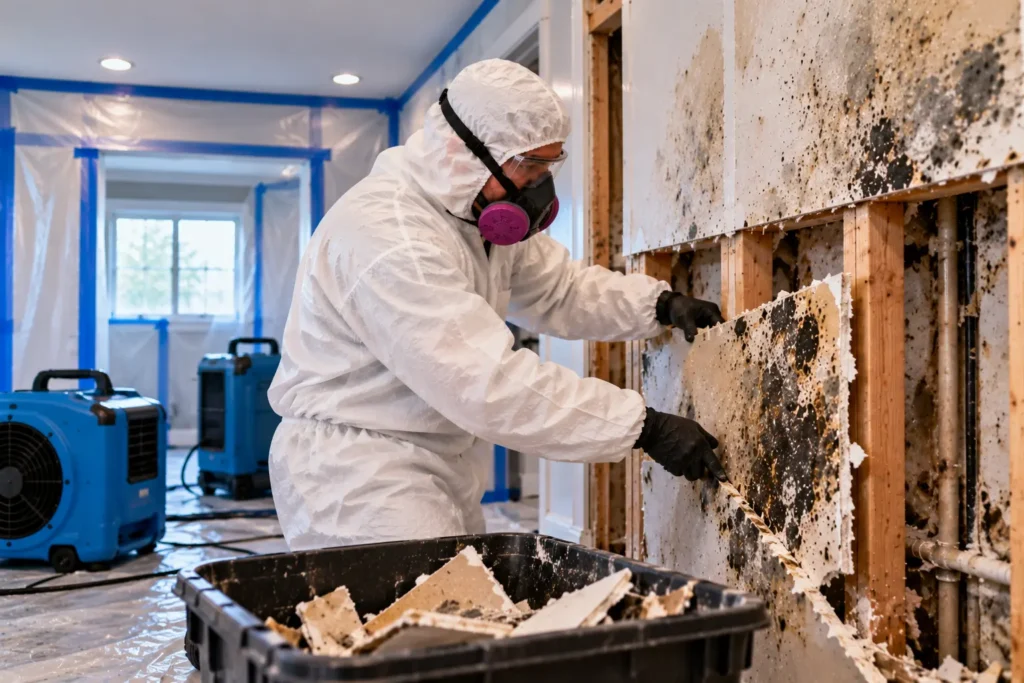
Mold damage restoration involves more than cleaning visible contamination. Depending on the severity of the problem, the work may include moisture investigation, controlled removal of contaminated materials, drying, repairs, and reconstruction.
Water damage and mold growth are closely connected. A leaking pipe, roof failure, appliance malfunction, or foundation seepage can introduce moisture into walls, ceilings, and flooring. If these materials remain damp, microbial growth may develop and the damage can become more extensive.
At Assured Builders, our focus is on helping Winnipeg property owners understand the restoration work required after mold and water damage, from damaged drywall and insulation to flooring, ceilings, and interior reconstruction.
Call Assured Builders at 431-293-0168 to discuss mold damage restoration in Winnipeg and request an assessment.
What Is Mold Damage Restoration?
Mold damage restoration is the process of repairing and rebuilding property components affected by mold contamination and the moisture conditions that caused it.
Unlike basic surface cleaning, restoration addresses damaged building materials and returns affected areas to a usable condition.
A complete project may involve several stages:
Identifying the source of moisture
Evaluating visible and concealed damage
Establishing an appropriate remediation scope
Removing contaminated materials where necessary
Drying salvageable building components
Repairing damaged walls and ceilings
Replacing insulation and flooring
Restoring interior finishes
Addressing conditions that could allow mold to return
The specific work depends on the extent of contamination, the materials involved, and the condition of the property.
Professional environmental assessment or specialized mold remediation may be required before reconstruction begins.
Common Causes of Mold Damage in Winnipeg Homes
Mold growth generally develops when moisture remains on susceptible materials long enough to support microbial activity.
Winnipeg properties can experience moisture problems caused by plumbing failures, seasonal condensation, flooding, and exterior water intrusion.
Plumbing Leaks
Leaking supply lines, drain connections, and plumbing fixtures can introduce water into walls, ceilings, cabinets, and flooring.
Even small leaks may cause extensive damage when they remain concealed.
Basement Flooding
Basement flooding can affect drywall, insulation, flooring, baseboards, and structural materials.
Moisture trapped behind finished basement walls may contribute to mold growth.
Roof Leaks
Damaged roofing, flashing, or other roof components can allow water to enter attic spaces and ceiling assemblies.
Condensation
Poor insulation, air leakage, and inadequate ventilation can contribute to condensation on cold building surfaces.
Appliance Leaks
Dishwashers, washing machines, refrigerators, and other appliances can release water into surrounding materials.
Foundation Seepage
Moisture entering through foundation walls or floor joints can affect finished basement materials.
Identifying and correcting the source of water intrusion is essential to reducing the likelihood of recurring damage.
Signs You Need Mold Damage Restoration
Not every mold problem requires extensive reconstruction.
However, certain warning signs suggest that moisture damage may extend beyond the visible surface.
Common signs include:
Black or dark staining on drywall
Persistent musty odours
Soft or swollen walls
Peeling or bubbling paint
Water-damaged ceilings
Deteriorated baseboards
Warped flooring
Mold behind cabinets
Damp insulation
Recurring mold after cleaning
Previous flooding or plumbing leaks
Visible contamination inside wall cavities
If building materials have become soft, unstable, or extensively contaminated, surface cleaning may not be sufficient.
A property assessment can help determine which materials require remediation, repair, or replacement.
Professional Mold Damage Restoration Services Winnipeg
Mold damage restoration projects vary depending on the affected area and severity of moisture damage.
The work may involve localized repairs or extensive reconstruction following flooding or prolonged water intrusion.
Mold Damage Assessment
The first step is evaluating affected materials and identifying potential moisture sources.
An assessment may include examining drywall, ceilings, flooring, insulation, cabinetry, and accessible structural components.
Moisture Source Correction
Leaks, seepage, condensation, and ventilation deficiencies should be addressed before completing restoration.
Contaminated Material Removal
Heavily contaminated or deteriorated porous materials may require removal using appropriate remediation procedures.
Drying and Cleaning
Salvageable materials should be appropriately cleaned and dried before reconstruction.
Structural and Interior Repairs
Restoration may involve repairing framing, replacing drywall, installing insulation, restoring flooring, and completing interior finishes.
Final Restoration
The objective is to return affected areas to a functional condition while addressing the moisture problems that contributed to the damage.
Water Damage and Mold Remediation Winnipeg
Water damage and mold remediation are closely related, but they are not identical services.
Water damage restoration focuses on addressing moisture, drying affected materials, and repairing damage caused by water intrusion.
Mold remediation focuses on appropriately removing contamination and controlling its spread.
When water damage has already resulted in mold growth, both processes may be necessary.
Water and Mold Restoration May Include
Water intrusion investigation
Moisture assessment
Removal of unsalvageable materials
Appropriate mold remediation
Structural drying
Insulation replacement
Drywall repairs
Flooring restoration
Cabinet repairs
Interior reconstruction
The sequence of work depends on the condition of the property and the extent of contamination.
Black Mold Remediation and Restoration Winnipeg
Black mold is a common concern among property owners who discover dark staining on walls, ceilings, or other building materials.
However, mold colour alone cannot reliably identify the species.
Different types of mold can appear black, grey, or dark green.
Is Black Mold Dangerous?
Exposure to damp and moldy environments may contribute to respiratory symptoms, allergies, or asthma-related problems in susceptible individuals.
The potential effects depend on exposure conditions and individual sensitivity.
Visible mold should be addressed appropriately regardless of colour.
What Does Black Mold Remediation Involve?
Depending on the extent of contamination, the process may include:
Identifying the moisture source
Establishing containment where appropriate
Removing contaminated porous materials
Cleaning salvageable surfaces
Drying affected areas
Correcting moisture problems
Restoring damaged finishes
Simply painting over mold or applying a cleaning product does not resolve extensive contamination within damaged building materials.
Basement Flooding Remediation Winnipeg
Basement flooding is one of the most significant causes of mold-related property damage.
Water can penetrate drywall, insulation, carpet, subflooring, and other porous materials.
Even after standing water has been removed, moisture may remain trapped behind finished walls.
Common Basement Flood Damage
Flooding can affect:
Drywall and insulation
Basement flooring
Baseboards and trim
Framing
Electrical components
Storage areas
Finished basement rooms
The severity of damage depends on the water source, duration of exposure, and materials involved.
Basement Mold Restoration Process
Restoration may involve removing damaged materials, drying the affected structure, addressing contamination, and rebuilding the basement.
Where foundation seepage or drainage problems contributed to the flooding, additional corrective work may be necessary.
Replacing damaged drywall without correcting the underlying water problem can allow moisture damage to recur.
Mold Damage Restoration After Plumbing Leaks
Plumbing leaks can cause extensive damage when water enters concealed building cavities.
A leaking pipe inside a wall may remain unnoticed until paint begins bubbling, drywall softens, or musty odours develop.
Common Areas Affected by Plumbing Leaks
Bathroom walls
Kitchen cabinets
Basement ceilings
Laundry rooms
Utility rooms
Finished wall cavities
Flooring around plumbing fixtures
Restoring Plumbing-Related Mold Damage
The appropriate restoration process may include repairing the leak, removing damaged drywall, drying affected framing, replacing insulation, and reconstructing the wall or ceiling.
If contamination is present, appropriate remediation should be completed before reconstruction.
Drywall Mold Damage Repair
Drywall is particularly vulnerable to moisture damage because its paper facing can support mold growth when damp.
Water-damaged drywall may become soft, swollen, stained, or structurally compromised.
Can Mold-Damaged Drywall Be Repaired?
Minor surface contamination on intact, washable painted drywall may sometimes be cleaned.
However, heavily contaminated or deteriorated drywall often requires replacement.
Drywall Restoration May Include
Removing damaged drywall
Evaluating insulation
Cleaning and drying retained materials
Installing replacement drywall
Taping and finishing joints
Priming and painting
New drywall should not be installed over unresolved moisture problems or inadequately dried materials.
Ceiling Mold Damage Restoration
Ceiling mold may develop following roof leaks, plumbing failures, or prolonged condensation.
Water-damaged ceilings can show staining, peeling paint, sagging drywall, or visible mold growth.
Common Ceiling Restoration Requirements
Depending on the damage, repairs may include:
Removing deteriorated drywall
Replacing damaged insulation
Repairing moisture-related defects
Installing new ceiling materials
Finishing and repainting
If the ceiling is sagging or unstable, avoid disturbing it until the condition has been assessed.
Mold Damage to Flooring and Subfloors
Moisture can become trapped beneath flooring after flooding, plumbing leaks, or appliance failures.
Different flooring materials respond differently to prolonged water exposure.
Laminate and Engineered Flooring
Some products can swell, separate, or deteriorate when exposed to moisture.
Hardwood Flooring
Wood flooring may cup, warp, or develop moisture-related damage.
Carpet and Underlay
Carpet and underlay affected by extensive water damage or contamination may require removal.
Subflooring
Plywood and other subfloor materials should be evaluated for moisture damage, contamination, and structural condition.
Restoration may involve drying salvageable materials or replacing components that cannot be adequately restored.
Mold Damage to Insulation and Wall Cavities
Insulation can retain moisture after plumbing leaks, roof damage, or flooding.
Wet insulation may lose thermal performance and contribute to prolonged dampness within building assemblies.
When Should Insulation Be Replaced?
Replacement may be necessary when insulation is heavily contaminated, deteriorated, or cannot be adequately dried.
The condition of the surrounding framing and drywall should also be evaluated.
Before closing wall cavities, retained materials should be appropriately cleaned, dried, and assessed.
Kitchen and Bathroom Mold Damage Restoration
Kitchens and bathrooms contain plumbing fixtures and surfaces exposed to frequent moisture.
Leaks behind cabinets, showers, bathtubs, and sinks can damage surrounding construction materials.
Kitchen Mold Restoration
Potential repairs include:
Cabinet replacement
Drywall repairs
Subfloor restoration
Plumbing-related repairs
Countertop and backsplash repairs
Bathroom Mold Restoration
Potential repairs include:
Drywall replacement
Shower surround repairs
Tile and grout restoration
Waterproofing repairs
Ceiling restoration
Ventilation improvements
The appropriate scope depends on whether contamination is limited to surfaces or extends into concealed building materials.
Commercial Mold Damage Restoration Winnipeg
Commercial properties can experience mold damage following plumbing failures, roof leaks, flooding, or prolonged moisture exposure.
Affected areas may include offices, retail spaces, storage rooms, rental properties, and other commercial interiors.
Commercial Mold Damage Services
Restoration requirements may include:
Moisture damage assessment
Remediation planning
Removal of damaged materials
Drywall replacement
Ceiling repairs
Flooring restoration
Interior reconstruction
Coordination of repairs around building operations
Larger commercial projects may require specialized environmental assessment, containment planning, and additional safety procedures.
The appropriate scope should be established based on the property and applicable requirements.
Mold Damage Restoration Cost Winnipeg
One of the most common questions property owners ask is: How much does mold damage restoration cost in Winnipeg?
The cost depends on the affected area, extent of contamination, accessibility, material damage, and reconstruction requirements.
The following figures are broad Canadian-dollar planning estimates, not verified Winnipeg market averages or fixed Assured Builders quotations.
| Mold Damage Restoration Project | Estimated Cost (CAD) |
|---|---|
| Small localized remediation and repairs | $500–$1,500 |
| Moderate mold damage restoration | $1,500–$4,000 |
| Mold removal with drywall and insulation replacement | $3,000–$7,000 |
| Extensive basement or multi-room restoration | $7,000–$15,000+ |
| Major mold and water damage reconstruction | $15,000–$30,000+ |
Actual project costs may fall outside these ranges.
Factors Affecting Mold Restoration Cost
Affected area: Larger contaminated spaces generally require more labour and materials.
Type of building materials: Drywall, flooring, cabinetry, and insulation have different restoration requirements.
Concealed contamination: Mold inside wall cavities may require additional demolition.
Water damage severity: Extensive flooding can affect multiple building components.
Containment requirements: Larger remediation projects may require additional protective measures.
Reconstruction: Flooring, cabinetry, drywall, insulation, and finishing work can substantially increase costs.
Moisture correction: Plumbing, roofing, drainage, or ventilation repairs may be necessary.
A property-specific assessment is required to determine an appropriate scope and accurate quotation.
Black Mold Remediation Cost Winnipeg
Black mold remediation costs depend on the extent of contamination and the condition of affected materials.
The colour of the mold does not automatically determine the cost.
A small area of surface contamination may require limited cleaning, while extensive mold inside drywall or insulation may require removal and reconstruction.
For budgeting purposes, small localized projects may cost hundreds of dollars, while larger remediation and restoration projects can cost several thousand dollars or more.
A detailed assessment is necessary to determine the appropriate work.
Does Homeowners Insurance Cover Mold Damage Restoration?
Insurance coverage depends on the policy and the cause of the damage.
Some sudden and accidental water damage events may qualify for coverage, while long-term seepage, condensation, or maintenance-related problems may be excluded.
Mold-related limits and exclusions may also apply.
Property owners should contact their insurance provider to confirm whether inspection, remediation, and restoration expenses are eligible.
Documentation for Insurance Claims
Depending on the situation, useful records may include:
Photographs of the damage
Dates of water intrusion
Plumbing or repair invoices
Inspection findings
Moisture-related documentation
Restoration estimates
Ask your insurer what documentation is required before proceeding with non-emergency demolition or repairs.
How Long Does Mold Damage Restoration Take?
The duration depends on the size of the affected area and the extent of damage.
Small localized projects may be completed within a few days.
Larger projects involving demolition, drying, specialized remediation, and reconstruction may take several weeks.
Factors affecting the timeline include:
Extent of contamination
Drying requirements
Accessibility
Material replacement
Availability of replacement materials
Plumbing or structural repairs
Environmental assessment requirements
The project schedule should be established after evaluating the property.
Can Mold-Damaged Materials Be Saved?
Not every material affected by mold requires replacement.
Some structurally sound, non-porous materials may be cleaned using appropriate methods.
Other materials, particularly heavily contaminated or deteriorated porous products, may require removal.
Materials That May Be Salvageable
Depending on their condition, some metal, glass, tile, and other non-porous surfaces may be cleaned.
Certain structural wood components may also be retained after appropriate assessment and remediation.
Materials That May Require Replacement
Examples include:
Heavily contaminated drywall
Deteriorated insulation
Water-damaged particleboard
Severely affected carpet underlay
Unsalvageable ceiling materials
Damaged flooring components
The decision should be based on material condition, contamination, and applicable remediation guidance.
How to Prevent Mold Damage From Returning
Long-term prevention depends on correcting moisture problems.
Property owners can reduce the likelihood of recurring mold by:
Repairing plumbing leaks promptly
Addressing basement seepage
Maintaining appropriate indoor humidity
Improving bathroom ventilation
Correcting roof leaks
Inspecting appliance connections
Drying water-damaged materials promptly
Maintaining proper drainage
Investigating recurring condensation
Repairing damaged waterproofing
Restoration should not simply conceal contamination behind new finishes.
Moisture sources should be corrected, and affected materials should be appropriately addressed before reconstruction.
Why Mold Damage Is a Concern in Winnipeg
Winnipeg’s seasonal climate can contribute to several moisture-related building problems.
During winter, condensation may develop on cold walls, ceilings, and attic surfaces.
During spring, snowmelt and groundwater conditions can contribute to basement seepage.
Heavy rainfall, plumbing failures, and roof damage can also introduce moisture into building materials.
Older properties may have previous water damage, deteriorated insulation, or inadequate ventilation that increases the risk of recurring moisture problems.
Addressing these conditions is essential to effective mold damage restoration.
Why Choose Assured Builders for Mold Damage Restoration in Winnipeg?
Mold damage restoration often requires a combination of moisture correction, damaged material removal, and interior reconstruction.
Assured Builders helps Winnipeg homeowners, landlords, and commercial property owners evaluate restoration needs and plan appropriate repairs following mold and water damage.
Depending on the condition of the property, restoration may involve:
Drywall replacement
Insulation repairs
Ceiling restoration
Flooring replacement
Cabinet repairs
Interior reconstruction
Repairs to moisture-damaged building components
Where specialized environmental assessment or mold remediation is required, the appropriate qualified professional should establish the scope before reconstruction begins.
Our focus is on practical restoration solutions that address both visible damage and the building conditions contributing to moisture problems.
Frequently Asked Questions About Mold Damage Restoration
What is mold damage restoration?
Mold damage restoration involves repairing and rebuilding property components affected by mold contamination and moisture damage. It may include material removal, drying, repairs, and reconstruction after appropriate remediation.
What is the difference between mold remediation and mold restoration?
Mold remediation focuses on addressing contamination, while mold restoration focuses on repairing or replacing damaged building materials. Many projects require both.
How much does mold damage restoration cost in Winnipeg?
Small localized projects may cost several hundred dollars, while extensive remediation and reconstruction can cost thousands or tens of thousands of dollars. A property-specific assessment is required for accurate pricing.
Can water damage cause black mold?
Yes. Prolonged moisture exposure can support the growth of different types of mold, including dark-coloured varieties. Colour alone cannot identify the species.
Does mold-damaged drywall need to be replaced?
Heavily contaminated or deteriorated drywall often requires replacement. Minor surface contamination on intact, washable finishes may sometimes be cleaned.
Can mold grow after basement flooding?
Yes. Moisture remaining in drywall, insulation, flooring, and other materials can create conditions favourable to mold growth.
How long does mold restoration take?
Small projects may take a few days, while extensive projects involving drying, remediation, and reconstruction may require several weeks.
Is black mold remediation more expensive?
Not necessarily. Cost depends primarily on the extent of contamination, affected materials, accessibility, and restoration requirements.
Does insurance cover mold damage?
Coverage depends on the policy and cause of damage. Sudden water damage may be treated differently from long-term moisture problems.
Can mold return after restoration?
Yes. Mold can develop again if moisture sources remain unresolved or new water intrusion occurs. Proper moisture correction is essential.
Do you need to remove mold before replacing drywall?
Appropriate remediation and moisture correction should be completed before reconstruction. Installing new drywall over unresolved contamination or damp materials can lead to further problems.
Can commercial buildings require mold damage restoration?
Yes. Offices, retail spaces, rental properties, and other commercial buildings may require remediation and reconstruction following leaks, flooding, or moisture-related damage.
Request Mold Damage Restoration in Winnipeg
If your property has experienced basement flooding, plumbing leaks, black mold contamination, water-damaged drywall, or extensive moisture-related deterioration, addressing the problem early can help prevent additional damage.
Assured Builders provides mold damage restoration solutions in Winnipeg, helping homeowners, landlords, and commercial property owners evaluate affected building materials and plan appropriate repairs.
Whether your property requires mold remediation planning, drywall replacement, insulation repairs, flooring restoration, or reconstruction following water damage, our team can help you discuss the next steps.
Phone: 431-293-0168
Call today to request an assessment and discuss your mold damage restoration needs.