Drywall Mold Removal Winnipeg – Professional Mold Remediation & Wall Restoration
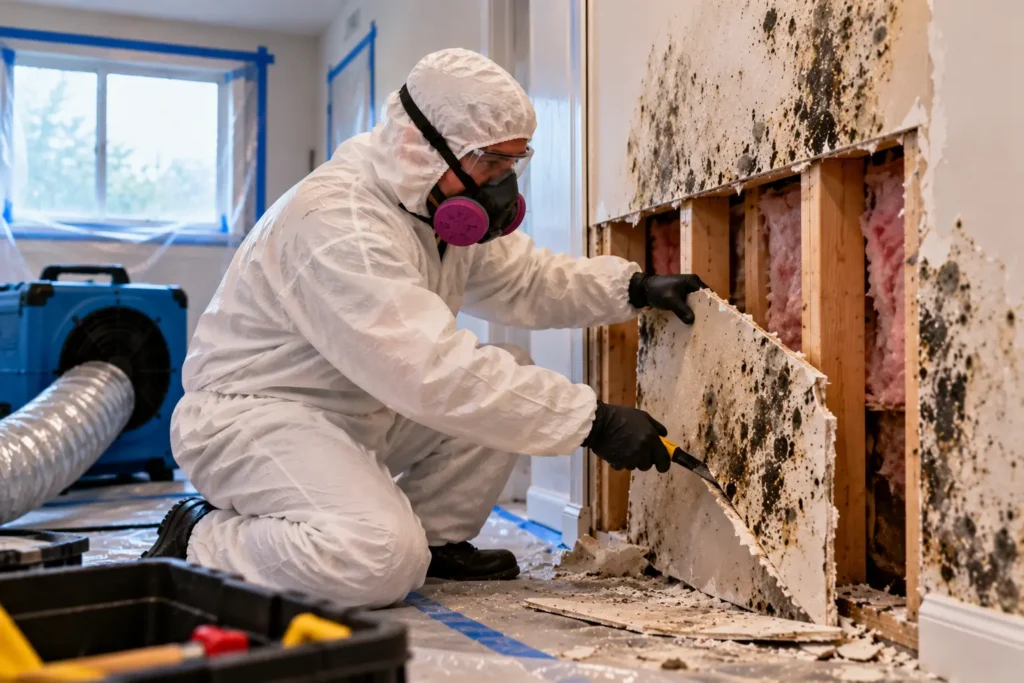
Mold growing on drywall is often a warning sign of excessive moisture, hidden water damage, or inadequate ventilation. Whether you’ve discovered black mold on basement walls, recurring mold in your bathroom, or suspicious staining behind furniture, addressing the problem early can help prevent further damage to your property.
Assured Builders provides drywall mold removal and restoration solutions in Winnipeg, helping homeowners, landlords, and commercial property owners address mold-damaged walls, contaminated building materials, and moisture-related deterioration.
Drywall is particularly vulnerable to mold because its paper facing contains organic material that can support microbial growth when exposed to moisture. Water from plumbing leaks, basement seepage, condensation, or flooding can penetrate drywall and create conditions favourable to contamination.
Although minor surface mold on intact, painted walls may sometimes be cleaned, extensive contamination or moisture-damaged drywall often requires professional remediation and material replacement.
Effective drywall mold removal involves more than spraying a cleaning product onto visible stains. It requires identifying the moisture source, determining whether contamination extends behind the wall, removing affected materials when necessary, and restoring the damaged area.
Call Assured Builders at 431-293-0168 to discuss drywall mold removal in Winnipeg and request an assessment.
What Causes Mold on Drywall?
Mold develops when moisture remains on susceptible materials long enough to support growth.
Drywall consists of a gypsum core covered with paper facing. Although gypsum itself is not a significant food source for mold, the paper facing and accumulated dust can support growth under damp conditions.
Moisture can enter drywall through direct water exposure, condensation, leaks, or prolonged humidity.
Common Causes of Drywall Mold
Several conditions can contribute to mold growth on walls:
Plumbing leaks inside wall cavities
Basement foundation seepage
Flooding and water damage
Roof leaks
Condensation on cold exterior walls
Inadequate bathroom ventilation
Leaking windows
Damaged shower surrounds
Moisture trapped behind furniture
Wet insulation inside walls
Identifying the underlying moisture source is essential because mold can return after cleaning if the conditions remain unresolved.
Signs You Need Professional Drywall Mold Removal
Mold on drywall may appear as black, grey, green, or white staining.
However, not every discoloured area represents active mold growth. Water stains, dirt, and other deposits can sometimes resemble contamination.
Common warning signs include:
Black or dark spots on painted walls
Musty odours
Peeling or bubbling paint
Soft or swollen drywall
Water stains
Recurring mold after cleaning
Damp baseboards
Discoloration around plumbing fixtures
Mold developing behind furniture
Visible growth near basement floors
If drywall feels soft, crumbles, or shows extensive moisture damage, replacement may be more appropriate than surface cleaning.
Professional assessment can help determine whether contamination is limited to the surface or extends into the wall assembly.
Professional Drywall Mold Removal Services Winnipeg
Drywall mold remediation involves evaluating affected materials, correcting moisture problems, and selecting appropriate removal or restoration methods.
The scope of work depends on the extent of contamination and whether the drywall can be safely retained.
Drywall Mold Inspection
The first step is examining the affected walls for visible contamination and signs of moisture damage.
An assessment may include checking:
Painted drywall surfaces
Wall cavities
Insulation
Baseboards and trim
Plumbing connections
Foundation walls
Window surrounds
Areas affected by previous flooding
The findings help establish whether localized cleaning, drywall removal, or additional restoration work is required.
Moisture Source Investigation
Mold remediation is unlikely to provide a lasting solution if water continues entering the affected area.
Possible moisture sources include plumbing leaks, condensation, foundation seepage, and exterior water intrusion.
Contaminated Material Removal
Drywall that is heavily contaminated, deteriorated, or affected by significant water damage often requires removal and replacement.
Appropriate containment and dust-control procedures may be necessary during demolition.
Cleaning and Drying
Exposed framing and other salvageable materials may require cleaning and drying before new drywall is installed.
Drywall Repair and Restoration
Once contamination and moisture problems have been addressed, restoration may include insulation replacement, drywall installation, taping, mudding, sanding, priming, and painting.
Can You Clean Mold Off Drywall?
One of the most common questions homeowners ask is: Can you remove mold from drywall without replacing it?
The answer depends on the condition of the drywall and the extent of contamination.
Small amounts of surface mold on intact, painted drywall may sometimes be cleaned using appropriate methods.
However, drywall is a porous material. Mold contamination can affect the paper facing and extend beyond the visible surface.
When Cleaning May Be Appropriate
Localized cleaning may be considered when:
The affected area is small
The drywall is structurally sound
The painted finish is intact and washable
No concealed moisture damage is suspected
The moisture source has been corrected
When Drywall Replacement Is Necessary
Replacement is often appropriate when:
Drywall is soft or swollen
Mold contamination is extensive
Water damage has affected the gypsum core
Mold has developed on the back of the drywall
Insulation inside the wall is contaminated
The material has deteriorated
The area has been exposed to contaminated floodwater
Cleaning visible mold does not restore drywall that has been damaged by prolonged moisture exposure.
Best Way to Remove Mold From Drywall
The best way to remove mold from drywall depends on whether the problem involves minor surface contamination or more extensive damage.
Step 1: Evaluate the Affected Wall
Examine the wall for visible mold, water stains, peeling paint, swelling, or deterioration.
Avoid disturbing extensive contamination or damaged materials.
Step 2: Identify the Moisture Source
Determine whether the problem is caused by a plumbing leak, condensation, flooding, or another source.
Step 3: Determine Whether Cleaning Is Suitable
Minor surface contamination on intact, washable finishes may sometimes be cleaned carefully.
However, damaged or heavily contaminated drywall may require removal.
Step 4: Address Contaminated Materials
Where replacement is necessary, affected materials should be removed using appropriate remediation procedures.
Step 5: Dry the Wall Assembly
Framing and other retained materials should be adequately dried before reconstruction.
Step 6: Restore the Wall
Once remediation requirements have been satisfied, new insulation and drywall can be installed as appropriate.
The best way to get rid of mold on drywall is to address both the contamination and the underlying moisture problem.
Black Mold Removal From Drywall
Black mold on drywall is a common concern in basements, bathrooms, kitchens, and other moisture-prone areas.
Dark-coloured mold may appear as small spots, irregular patches, or extensive staining.
However, appearance alone cannot reliably identify the mold species.
Is Black Mold on Drywall Dangerous?
Exposure to damp and moldy environments may contribute to respiratory symptoms, allergies, or asthma-related problems in susceptible individuals.
Health effects depend on exposure conditions and individual sensitivity.
Visible mold should be addressed appropriately regardless of colour.
How to Remove Black Mold From Walls
The appropriate method depends on the affected material and extent of contamination.
Minor surface contamination on suitable painted finishes may sometimes be cleaned.
However, black mold affecting damaged drywall, insulation, or concealed wall cavities may require professional remediation and material removal.
Simply painting over mold or applying a chemical product does not resolve contamination inside porous materials.
Mold Removal Inside Walls
Mold can develop inside wall cavities without being immediately visible from the room.
Concealed contamination may result from plumbing leaks, condensation, exterior water intrusion, or previous flooding.
Signs of Mold Inside Walls
Potential warning signs include:
Persistent musty odours
Recurring staining
Soft or deteriorating drywall
Moisture around baseboards
Water damage near plumbing fixtures
Peeling paint
Damp insulation
Unexplained moisture in finished walls
These symptoms do not automatically confirm concealed mold, but they may justify further investigation.
How Is Mold Inside Walls Removed?
The remediation process may involve opening affected wall sections, removing contaminated drywall and insulation, cleaning salvageable framing, correcting moisture problems, and rebuilding the wall.
The exact scope depends on the condition of the materials and the extent of contamination.
Basement Drywall Mold Removal Winnipeg
Basements are among the most common locations for drywall mold problems in Winnipeg.
Foundation seepage, flooding, condensation, and limited airflow can create damp conditions behind finished basement walls.
Common Basement Mold Problems
Basement drywall may become contaminated because of:
Foundation cracks
Spring snowmelt
Plumbing leaks
Flooding
Damp insulation
Condensation on cold foundation walls
Moisture trapped behind finished walls
Removing Mold From Basement Walls
Mold remediation may require removing affected drywall, evaluating insulation, drying exposed framing, and correcting water intrusion.
Where the problem involves foundation moisture, drainage or waterproofing repairs may also be necessary.
Replacing moldy drywall without addressing the moisture source can allow the problem to return.
Bathroom Drywall Mold Removal
Bathrooms are another common location for drywall mold.
Steam, condensation, plumbing leaks, and damaged shower waterproofing can introduce moisture into walls.
Mold in Bathroom Drywall
Mold may develop around:
Shower surrounds
Bathtubs
Sinks
Toilets
Bathroom ceilings
Plumbing penetrations
Exterior bathroom walls
Minor surface contamination may sometimes be cleaned from intact painted finishes.
However, mold affecting drywall behind shower tiles or water-damaged wall assemblies may require material removal and reconstruction.
Mold Behind Wallpaper and Painted Walls
Wallpaper and decorative wall coverings can sometimes conceal moisture problems.
If water enters behind wallpaper, the adhesive and paper materials may support microbial growth.
Similarly, paint can conceal early signs of dampness without preventing contamination within the drywall.
Signs of Concealed Mold
Potential indicators include:
Wallpaper peeling or bubbling
Discoloration around seams
Musty odours
Soft drywall
Recurring moisture stains
Visible growth near trim
If concealed contamination is suspected, an appropriate assessment should be completed before disturbing large sections of wall covering.
Wet Drywall and Mold Growth
Drywall can become vulnerable to mold when it remains wet after a leak or flooding.
Mold growth may begin within a relatively short period under favourable moisture and temperature conditions.
The exact timing depends on the material, humidity, temperature, and extent of water exposure.
Can Wet Drywall Be Saved?
Some drywall affected by clean water may be salvageable if drying begins promptly and the material remains structurally sound.
However, drywall that has deteriorated, remained wet for an extended period, or been exposed to contaminated water may require replacement.
A professional assessment can help determine which materials can be retained.
Drywall Mold Removal Cost in Winnipeg
One of the most common questions homeowners ask is: How much does drywall mold removal cost in Winnipeg?
The cost depends on the affected area, extent of contamination, accessibility, and whether drywall replacement or additional restoration is required.
The following figures are broad Canadian-dollar planning estimates, not verified local averages or fixed Assured Builders quotations.
| Drywall Mold Removal Project | Estimated Cost (CAD) |
|---|---|
| Small localized remediation | $300–$800 |
| Moderate drywall mold removal | $800–$2,000 |
| Mold removal with drywall replacement | $1,500–$3,500 |
| Extensive wall cavity remediation | $3,500–$6,000+ |
| Major mold damage with reconstruction | $6,000–$12,000+ |
Actual costs may fall outside these ranges.
Factors Affecting Drywall Mold Removal Cost
Affected area: Larger contaminated wall sections generally require more labour and materials.
Wall accessibility: Mold behind cabinets, tiles, or finished walls can require additional demolition.
Insulation contamination: Wet or contaminated insulation may need replacement.
Moisture source: Plumbing repairs, waterproofing, or other corrective work can increase the total.
Containment requirements: Larger projects may require additional dust-control and protective measures.
Reconstruction: Drywall installation, finishing, painting, and trim replacement can add to the project cost.
A property-specific assessment is the most reliable way to determine the cost of drywall mold remediation.
Best Mold Remover for Walls
Homeowners often search for the best mold remover for walls or a product that can eliminate black mold quickly.
However, no single mold cleaner is suitable for every wall material or contamination problem.
Some cleaning products may be appropriate for minor surface contamination on intact, washable painted walls.
They are not substitutes for removing heavily contaminated drywall or correcting moisture damage.
What Kills Mold on Drywall?
Certain cleaning products can affect mold growth on suitable surfaces, but killing mold is not the same as removing contamination.
Dead mold particles and contaminated material may still require appropriate cleaning or removal.
The most effective remediation method depends on the material and extent of contamination.
Can You Use Bleach on Drywall?
Bleach is not a universal solution for mold on porous materials.
Applying excessive liquid to drywall can introduce additional moisture and may damage the surface.
Follow product instructions and avoid mixing bleach with ammonia, vinegar, or other cleaning chemicals.
Are Home Remedies Effective?
Household cleaning solutions may sometimes be useful for minor surface contamination on appropriate materials.
However, home remedies cannot repair deteriorated drywall, remove concealed contamination, or correct plumbing leaks.
Removing Moldy Drywall Safely
Removing mold-contaminated drywall can release dust and particles into the surrounding area.
For this reason, demolition should be planned according to the extent of contamination and the conditions of the building.
Larger projects may require containment, suitable respiratory protection, dust control, and controlled disposal.
Important Safety Considerations
Before cutting out moldy drywall, consider:
Whether contamination extends behind the wall
The location of electrical wiring
Plumbing connections
The condition of insulation
Possible asbestos-containing materials in older construction
The potential for contaminated dust to spread
Older Winnipeg properties may contain building materials that require separate hazardous-material assessment before disturbance.
Where contamination is extensive or other hazards are suspected, professional assessment is advisable.
Mold and Drywall Repair After Remediation
Once contaminated drywall has been removed and the moisture source corrected, restoration can begin.
Drywall repair may involve replacing insulation, installing new panels, taping joints, applying finishing compound, sanding, priming, and painting.
Why Proper Drywall Restoration Matters
New drywall should not be installed over damp framing or unresolved moisture problems.
The wall assembly should be evaluated and adequately dried before reconstruction.
Proper restoration helps return the affected area to a usable condition while reducing the likelihood of recurring moisture-related damage.
How to Stop Mold on Walls From Returning
Long-term mold prevention depends on controlling moisture.
Homeowners can reduce the likelihood of recurring drywall mold by:
Repairing plumbing leaks promptly
Addressing foundation seepage
Maintaining appropriate indoor humidity
Improving bathroom ventilation
Investigating recurring condensation
Repairing roof and window leaks
Drying water-damaged materials promptly
Avoiding installation of drywall over damp surfaces
Correcting insulation and air-sealing deficiencies
If mold repeatedly returns after cleaning, further investigation may be necessary.
Why Drywall Mold Is Common in Winnipeg Homes
Winnipeg’s climate can contribute to several moisture-related building problems.
During winter, warm indoor air may condense on cold exterior walls or within poorly sealed wall assemblies.
During spring, snowmelt and changing ground conditions can contribute to basement moisture.
Heavy rainfall and plumbing failures can also introduce water into finished walls.
Older properties may have deteriorated insulation, air leakage, or previous water damage that increases the risk of moisture accumulation.
Addressing these conditions is essential to preventing recurring mold.
Why Choose Assured Builders for Drywall Mold Restoration in Winnipeg?
Drywall mold problems often involve more than cleaning visible staining.
Affected properties may require drywall removal, insulation replacement, moisture-related repairs, painting, and reconstruction.
Assured Builders helps Winnipeg homeowners and property managers evaluate mold-damaged building materials and plan appropriate restoration work.
Depending on the condition of the property, repairs may involve removing damaged finishes, replacing drywall, restoring insulation, and addressing related construction deficiencies.
Where specialized environmental assessment or mold remediation is required, the appropriate scope should be established before reconstruction begins.
Our focus is on practical restoration solutions that address both damaged materials and the underlying conditions contributing to moisture problems.
Frequently Asked Questions About Drywall Mold Removal
Can you clean mold off drywall?
Small amounts of surface mold on intact, washable painted drywall may sometimes be cleaned. However, heavily contaminated, deteriorated, or water-damaged drywall often requires replacement.
What is the best way to remove mold from drywall?
The appropriate approach depends on the condition of the material. Minor surface contamination may be cleaned, while extensive contamination or damaged drywall may require controlled removal and replacement.
What kills black mold on walls?
Some cleaning products can affect mold on suitable surfaces, but killing mold does not necessarily remove contamination. Moisture correction and appropriate material remediation are essential.
Should moldy drywall always be replaced?
Not always. Replacement depends on the extent of contamination, moisture exposure, and material condition. Severely damaged or extensively contaminated drywall generally requires removal.
Can mold grow behind drywall?
Yes. Mold can develop inside wall cavities when moisture enters through plumbing leaks, condensation, flooding, or exterior water intrusion.
How much does drywall mold removal cost in Winnipeg?
Small localized projects may cost a few hundred dollars, while extensive remediation involving drywall replacement and reconstruction can cost several thousand dollars. A property-specific assessment is necessary for accurate pricing.
Can I paint over mold on drywall?
Painting over mold is not a substitute for remediation. Existing contamination and moisture problems should be addressed before repainting.
How quickly can mold grow on wet drywall?
Mold may begin developing within a relatively short period under favourable moisture and temperature conditions. Prompt drying and assessment can help reduce the risk of contamination.
Is black mold on drywall dangerous?
Exposure to damp and moldy environments may contribute to respiratory symptoms, allergies, or asthma-related problems in susceptible individuals. Mold colour alone does not determine its species or health risk.
How long does drywall mold remediation take?
Small projects may take one or two working days, while larger projects involving demolition, drying, and reconstruction can require several days or longer.
Request Drywall Mold Removal in Winnipeg
If you’ve discovered black mold on your walls, recurring moisture stains, mold behind drywall, or deteriorated wall materials following water damage, addressing the problem early can help prevent further deterioration.
Assured Builders provides drywall mold-related restoration solutions in Winnipeg, helping homeowners, landlords, and commercial property owners evaluate affected building materials and plan appropriate repairs.
Whether your property requires moisture investigation, drywall mold remediation planning, contaminated material removal, insulation replacement, or wall reconstruction, our team can help you discuss the next steps.
Phone: 431-293-0168
Call today to request an assessment and discuss your drywall mold removal and restoration needs.